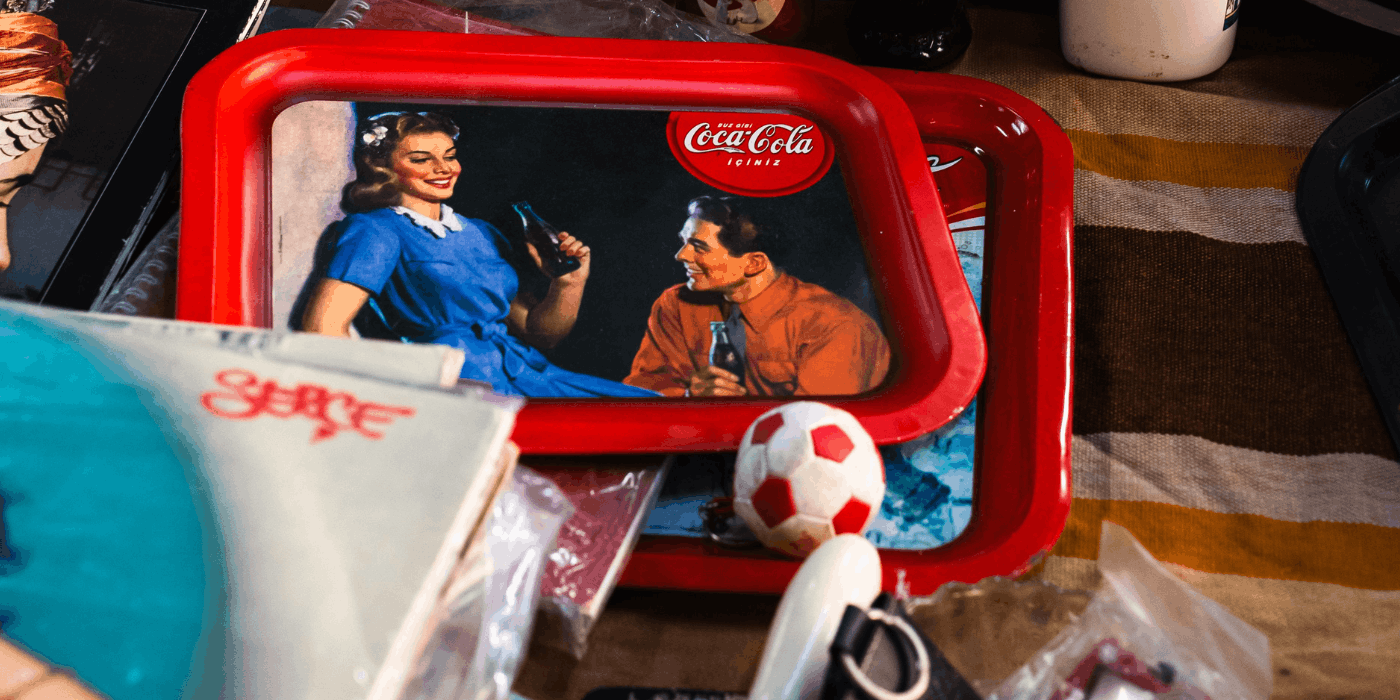
The death knell for brand storytelling hasn’t yet been tolled in 2026, but marketing content across the board is feeling hollow due to a combination of factors including an oversaturation of advertisement, corporate hypocrisy, and the usage of AI for creativity.
Table of Contents
You can read a condensed version of this article on Advertising Week.
Technology shifts used to occur incrementally, but now a weekend of tech updates can equate to what was once a decade of advancement. For every controversial application of AI, like smart eyewear, there are medical and agricultural booms that promise to improve society rather than deceptively undermine it. And yet, many other aspects of modern life haven’t increased in quality. Brand storytelling is one of them.
While it’s not the case for every company, brand storytelling is starting to resemble fast fashion. Companies churn out content that looks polished on the surface but holds deceptively little integrity underneath.
Brand storytelling is hardly the only aspect of modern living to be accused of a quality nosedive despite the number of advancements that could be used to improve it. For example, the FDA allows 25 cancer-linked chemicals to be present in U.S. food as of May 2026. Meanwhile, purchasing household appliances used to be a decades-long investment, but now expensive items routinely fall apart within the first months of use.
There seems to be a clear divide in the modern world: futuristic advancement and cost-cutting quality drops. Brand storytelling falls into the latter category for several main reasons even though the advancement of technology should, in theory, only serve as an aid in improving storytelling. Unfortunately, much like a polyester sweater after a first wash, this theory quickly starts to unravel when put to the test.
The Rise & Fall of Brand Storytelling
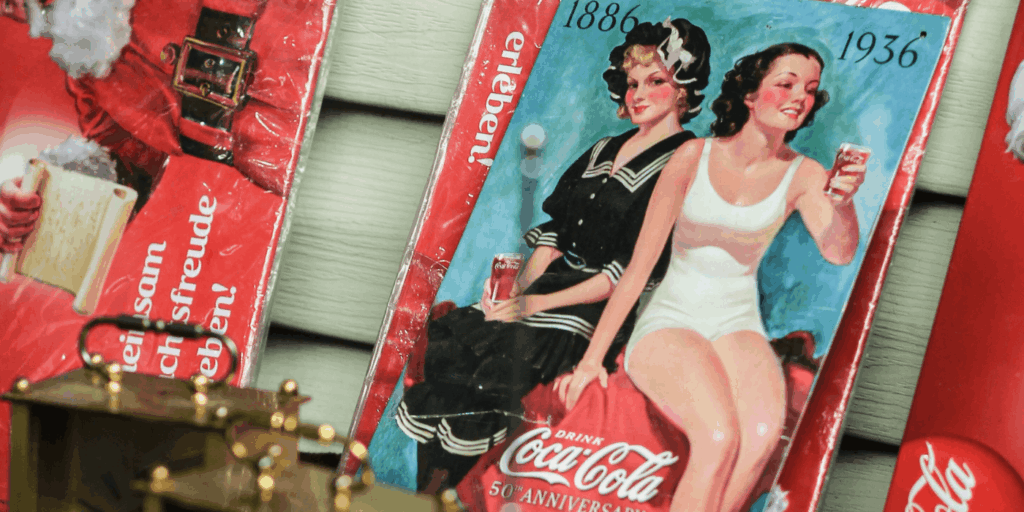
Today, brand storytelling encompasses the narrative that shapes a company’s identity, as well as the values and mission it conveys. The catchall concept is reflected through advertisement, copy, partnerships, and even social media interactions.
The roots of brand storytelling extend back before even Don Draper’s heyday in advertising. Modern branding emerged in the 1950s to 60s, popularized by pivotal figures like British ad tycoon David Ogilvy. Around this time, brand personality and image started factoring into the consumer advertising instead of just the raw facts of products. Tellingly, this was also the period where many first-world households began to have a personal television.
Over the decades, different advertisers experimented with approaches. American ad creative director Bill Bernbach is credited with introducing a lighter touch to advertisements that tied consumer branding to both entertainment and emotion. Bernbach created landmark ad campaigns that redefined how products and brands were perceived, such as “You Don’t Have to be Jewish to Love Levy’s Real Jewish Rye” for Levy’s Rye Bread.
The rise in DVR popularity certainly shifted the way advertisement was presented, though it can’t be blamed for an apparent drop in brand storytelling quality. The first commercial consumer DVR came out in January 1999, but popularity didn’t spike until around 2004. Suddenly, there was no need to wait through commercials when one could simply fast-forward.
Then, streaming platforms exploded in the 2010s and the concept of pausing a show for advertisement was rendered archaic. Companies began to find stealthier ways to advertise, adopting a Truman Show approach that saw brands sneaking in ads in everything from TV shows to films to music videos. Notably, influencer culture also emerged around the time traditional TV advertisement began to overstay its welcome.
This period was also the turning point that tipped the concept of brand storytelling into a definitive marketing objective. Fast Company deemed 2012 “The Year of The Story” for brands. By then, brand storytelling had long since shed its image as the job of cigarette-smoking men in tailored suits. Plenty of Peggy Olsons had entered the branding scene, while storytelling became a core concept of many company marketing strategies.
By 2022, streaming viewership was reported to have surpassed traditional cable before exceeding both cable and broadcast TV in 2025. However, the reimagining of advertising is now only a factor of the overall brand storytelling equation. Multiple factors are at play when it comes to the consumer devaluation of prominent companies due to a perceived shift in storytelling.
Why Brand Storytelling Lost Its Effectiveness
How did advertisements seemingly regress from something clever and engaging to a painfully long ten seconds before you can hit skip on YouTube? If 2012 can be retroactively viewed as the height of brand storytelling, 2026 will likely be remembered as a low point in branding history. But quality is only one of the concerns.
Brand storytelling has shifted into the hands of marketing departments, and many appear to be currently missing the mark when it comes to capturing a positive public perception. Much of today’s brand messaging reflects the zeitgeist of the AI-era insofar as it is hollow, repetitive, and lacking originality. But while AI likely factors into the decline in brand storytelling, it may also be a convenient scapegoat for distinctly human-driven problems.
Like brand storytelling, artificial intelligence is a Baby Boomer. AI dates to the 1950s, though it wasn’t until November 2022 that the first large language model was made accessible to the public. The launch of ChatGPT undeniably shaped how modern businesses function and was a likely catalyst in the decline of brand storytelling. However, claiming AI caused the hollowness in modern branding is a reductive way of making a symptom a diagnosis.
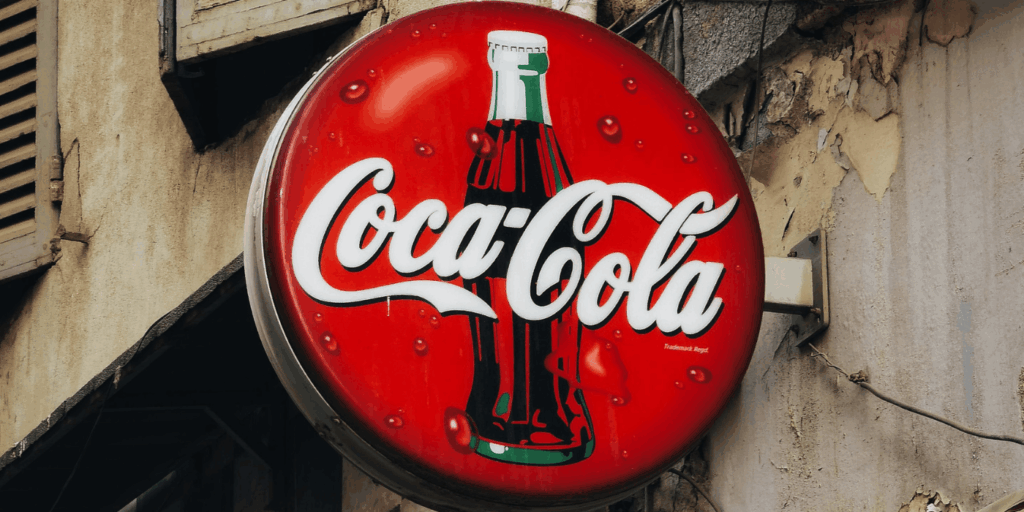
Advertisements used to elicit emotions that made them memorable. Decades before CGI or AI entered the picture, the Tootsie Pop owl became iconic simply by asking how many licks it takes to get to the center. Meanwhile, Coca-Cola created a friendly rosy-cheeked depiction of Santa in a 1931 campaign that reshaped iconography for nearly a century. In fact, Coca-Cola has been credited with some of the most effective advertising of the 20th century, reshaping its beverage from a summer refreshment to a year-round nostalgic drink linked to friendship and togetherness.
By comparison, modern brand storytelling feels rote. Campaigns and concepts are often conceived with help from AI tools, leaving the ideas of actual creatives sidelined, diluted, or removed from the process entirely. Several contributing factors are to blame for today’s hollow storytelling predicament that’s leaving many brands with lukewarm, or even openly hostile, public reception.
1. Lack of Originality
The way humans use AI tools most prominently factors into the decline of brand storytelling in regard to originality. AI allows work to be completed in record time, but speed doesn’t guarantee quality. A room full of creatives used to spitball ideas, staring at a blank page until a concept grew from inchoate to finalized. Like the DVR eliminated commercials, AI tools have removed having to sit with a blank page and contemplate one’s next move.
Brand storytelling is rooted in human appeal, since its core objective is to shape how people perceive and connect with a brand. Yet creatives are steadily losing their jobs, as work once relegated to a human mind is instead handled by AI. Likewise, freelance creative work is nosediving as corporate budgets tighten and remaining employees are forced to turn to AI to meet deadlines and output demands.
Technology can be a helpful asset for storytelling when it’s used to catch stray errors, organize data, and challenge copy. It’s when it’s used as a substitute for human thinking that companies tend to produce flattened outputs that don’t elicit the very human emotions brand storytelling seeks to evoke.
Furthermore, AI tools are also designed to flatter their users. Content teams of increasingly shrinking sizes now type ideas into their company-sanctioned LLM subscription. Many LLMs will then praise the user, convincing them that their ideas are the next globally recognized campaign, whereas a human collaborator might offer more critical feedback that can force one to improve.
Or, in even worse cases, the creative process doesn’t even begin with human input. For some corporations, brand storytelling brainstorming now starts and ends with AI tools, allowing the same AI-generated concept to just as easily land in a competitor’s hands. The result is often a rapid, higher volume of content that doesn’t come with any guarantee of quality or originality.
Consumers, for their part, are growing critical of AI’s use in creative fields. Films that have leaned on AI tools for anything from sharpening an accent to touching up a green screen have been met with vociferous backlash and even a refusal to watch, as well as developing regulations. Many consumers are equally skeptical of advertisements that feel written by someone distinctly non-human when they come across as mechanical, repetitive, flat, and even nonsensical.
Still, how corporations allow AI tools to be used to shape output is only one of the reasons why a lot of current brand storytelling fails to resonate with general audiences.
2. Missing Substance
Not only does brand storytelling overall come across as lower quality and lacking originality in 2026, but a lot of it is entirely remiss in offering an actual voice.
Brand storytelling has long since outgrown billboards and commercials. With the typical American exposed to between 4,000 and 10,000 ads a day, companies have taken their storytelling to social media. Brands now organize trips, hire influencer spokespeople, and create public personas willing to leave a cheeky comment on an Instagram or TikTok reel. This can be charming at times, as well as incredibly useful for branding.
Reusable food and beverage container company Stanley is one example. When TikTok user Danielle shared in 2023 that her car had burned but her Stanley tumbler had survived, Stanley’s president responded and offered to replaced her car. Not only did the video showcase the quality of Stanley products, but people witnessed firsthand a brand choosing to make a positive impact.
The moment in the spotlight ended up being pivoted as Stanley’s gateway into a whole new market, a rebrand that took the blue-collar steel water bottle and turned it into a highly coveted and trendy object. But the lack of boundaries between brands and the consumers they interact with can quickly become tedious when it becomes clear a brand doesn’t genuinely care.
At the heart of consumerism has always been the goal of selling products, and a strong relationship with the consumer — particularly one that elicits an emotional response — is key to increasing sales. For a while, companies managed to stand for something or, at least, convince consumers that they did. Unfortunately, many have since either reneged on the principles they were built upon or stayed disappointingly tight-lipped during moments when consumers wanted them to show integrity. And consumers care about that.
Women’s contemporary clothing brand Reformation is one example. The LA-based brand was founded in 2009, establishing its identity around being the most sustainable clothing option short of going naked. Branding itself as eco-friendly, many women paid high prices for the quality cashmere, silks, and linens meant to withstand the test of time as opposed to ending up in a landfill.
But scores of loyal customers in the Reformation Subreddit (the brand does not allow reviews on its website) report a noticeable, sharp decline in quality since private equity firm Permira acquired a majority stake in the company in July 2019. The corporate storytelling around sustainability has remained largely the same, but the product no longer backs the claim. If internet discourse surrounding the company is any indication, brand storytelling alone isn’t enough to sustain once loyal customers who are now shaping the narrative themselves.
It’s customary practice for companies to define public values, though many seemingly fail to live up to them. Countless corporations appear too afraid to risk isolating potential consumers by taking a stand, while others reveal a gap between what they say and do. Some might claim to champion diversity but dismantle DEI initiatives, while others label themselves eco-friendly but use synthetic materials. For many modern consumers, wishy-washy responses and corporate silence are no longer acceptable responses. Funny social media comments and catchy consistent also aren’t a substitute for actual substance.
It’s hard to resuscitate a brand perception when the integrity of the company is either no longer intact or has been revealed to never have been there in the first place. With more options existing than ever before, consumers have a choice as to where they take their business, and many don’t want to do so at a company whose interior values don’t match the exterior image they project to the world.
3. Consumer Corporate Fatigue
The third aspect of brand storytelling hollowness is a result of the first two. A combination of decreased quality in both advertisement and product compounded by values-washing and perceived corporate cowardice has left many consumers chronically fatigued. It’s an uphill battle for brand storytelling to connect with audiences when it lacks substance, especially because this is something consumers are rapidly calling out in large-scale ways.
Many people have grown exhausted with the constant inundation of consumer culture, especially against a backdrop of mounting global and national issues. Even when a company manages to craft a compelling campaign, consumers now check the backstory and can quickly lose trust when it doesn’t match the outward values.
The fatigue likely started around the time of the pandemic, when global lockdowns and widespread health concerns forced many people to reconcile with the hollowness of celebrity culture and brand worship. Celebrities, once entertaining and aspirational, started to appear ridiculous in the face of global health concerns. The pandemic ended, but for many, the blind worship of brand names died with it. Consumers emerged savvier, smarter, and more vocal than ever.
Consider the public perception of Starbucks. As the visionary behind the multinational coffeehouse chain’s transformation, former CEO Howard Schultz was inspired to recreate the European coffee culture experience in the United States. He sought to reinvent the act of buying a coffee to elevate it from a quick caffeine fix to a leisurely social experience.
That corporate storytelling helped drive Starbucks to enormous success, growing the brand to over 40,000 stores worldwide. But recent boycotts show that consumers now look past advertisements and products to call out the values the company truly stands for.
Starbucks is currently facing ongoing boycotts tied to labor union disputes and accusations related to the Israel-Palestine conflict. Angry former customers don’t care that Starbucks’ interiors have remained consistently inviting spots for meeting up with a friend; they’re now scrutinizing the people and actions behind the company. This backlash is increasingly reflected in online discourse, stock prices, and sales.
Starbucks is hardly the only major brand facing a modern reckoning. Nestlé would remain a nostalgic name for many who grew up on childhood favorites like Kit Kat and Nesquik if not for widespread criticism over water exploitation and ethical labor concerns. Meanwhile, Target built its identity as an upscale, fashion-forward retailer with affordable prices, positioning itself as a one-stop shop for home essentials. However, it’s faced significant backlash after scaling back DEI initiatives and largely mishandling the fallout.
Perhaps no brand demonstrates that storytelling quality alone isn’t enough to stay culturally relevant in 2026 quite like Duolingo. Its totemic owl became a social media sensation that made the language-learning platform mascot known for sassy viral comebacks — rivaled, perhaps, only by Wendy’s for the most lauded corporate social media presence. But the company has faced major backlash after announcing an AI-first approach in 2025 that phased out human contractors. Even Duo the owl can’t resuscitate its image now.
The bottom line is that brand storytelling is no longer just about what companies say in their advertising. The actions they take or fail to take can now shape the public perception of a brand just as significantly.
Closing Words: The Future of Brand Storytelling
Not all brand storytelling is dead. The larger issue is that consumer expectations have evolved, and too many companies haven’t evolved with them. Whether high-quality, high-integrity brands rise to the top could optimistically be influenced by an era of brand storytelling that is not afraid to grow with consumer demands.
Retaining a positive consumer connection is very much possible even in a highly divisive world. Companies such as Patagonia and Aldi have largely lived by their principles and earned their favorable reputations. In an ideal world, the most lauded companies would also be the most profitable. But whether substance in brand storytelling realistically matters is a harder question to answer honestly.
Starbucks’ stock has taken hits alongside its boycotts, offering evidence that failing to live up to consumer expectations has monetary consequences. At the same time, the coffeehouse giant isn’t going out of business anytime soon. For every outraged online comment demanding a boycott, there are clearly still plenty of customers who either missed the discussion or simply aren’t concerned by it. Others might care, but not enough to stop them from purchasing their regular Frappuccino.
The uncomfortable truth sitting underneath the brand storytelling discourse is that advertising doesn’t necessarily have to be good to work. And not everyone cares about or pays attention to brand integrity.
Fast-fashion retailer SHEIN has faced a litany of concerns including hazardous chemicals, ripping off small creators, labor exploitation, and environmental damage. These very serious accusations have been circulating for years, but it still made a reported $41.9 billion in 2025. And yet, cracks are showing. CNBC reported a SHEIN net loss for Q1 2026, and shares dropped 9% on its Hong Kong market debut, with valuation falling to nearly a quarter of its 2022 peak of $100 billion.
While these numbers indicate that consumers are forcing a company reckoning, it’s still too early to say if it will be arriving anytime soon — or if it will reasonably disrupt some of the most prominent offenders. The unfortunate truth is that integrity isn’t always rewarded with success. The reality is that hollow, AI-assisted brand storytelling can still move products, and companies that dodge every hard question can still post record earnings. Which takes the discussion back to the consumer.
But just as blaming AI for the decline in quality is reductive, so is claiming people simply don’t care. In many cases, people do care, but when so many corporations have disappointed consumers, they run out of affordable, inclusive, or viable alternatives to turn to. Still, unless corporations are given a financial incentive to rediscover their nerve, many brands likely won’t be motivated to change for an outcry that’s more symbolic than financial. At the end of the day, brand storytelling is about profit. Consumers rejecting polyester corporate offerings may be the only way to revive brand integrity.
Continued Reading: AI Job Loss: Solutions, Skills & the Ethics of a People-First Future
Title photo taken by Necip Duman.