
What does healing actually require when forgetting isn’t an option? An exploration of trauma, remembrance, and reclaiming one’s narrative through reconstruction.
Table of Contents
Our memory is the basis of not only who we are, but our relationship to the world. It binds us to ourselves, our experiences, and the people we cherish. I’ve explored the significance of sharing our personal and collective memories in a world that asks us to forget. But how do we come to terms with a memory too terrible to reconcile?
Many people become stuck in the past. Consider how much time you spend fixated on the past versus the present versus the future. Are you actually living in the moment, or are you constantly looking back or preparing for the next one? For some, it’s not a choice. Not only are they unable to conceptualize a future, but they can’t even experience the present moment due to the weight of the past. This is the position that many traumatized people find themselves in, which I will be exploring throughout the piece.
Memory and the traumatized mind

The past is never dead. It’s not even past. – William Faulkner, Requiem for a Nun
The past is the past, but it’s also the present. This can cause memory to be the single most influential thing holding people back. While some treatments can ease the burden of memory, they do not eliminate it. This is particularly true for people with trauma, whose relationship to memory works differently.
One of the most influential books on the impact of trauma is the work of Bessel van der Kolk in The Body Keeps the Score: Brain, Mind, and Body in the Healing of Trauma. While trauma is not unique in how often it occurs, what makes it exceptional is how strongly it impacts an individual. And for some, trauma continues to influence their lives long after the events themselves have ended.
Traumatized people chronically feel unsafe inside their bodies: The past is alive in the form of gnawing interior discomfort. Their bodies are constantly bombarded by visceral warning signs, and, in an attempt to control these processes, they often become expert at ignoring their gut feelings and in numbing awareness of what is played out inside. They learn to hide from their selves.
Bessel van der Kolk, The Body Keeps the Score
Not everyone responds to trauma in the same way. The World Health Organization estimates that while approximately 70% of people will experience a seemingly traumatic event in their lifetime, only around 5.6% of individuals will develop Post-Traumatic Stress Disorder (PTSD), accounting for around 3.9% of the global population having PTSD at some point in their lifetime.
Symptoms of PTSD include unwanted memories of the event, flashbacks of the trauma, avoidant behavior, negative self-thoughts, emotional distress, mood changes, hopelessness, memory problems, disruption to close relationships, and emotional numbness, as listed by Mayo Clinic.
There are both genetic risks and psychological resilience levels that account for the development of PTSD in individuals. While PTSD has been linked to trauma exposure and environmental factors, studies listed in The National Library of Medicine suggest trauma could be heritable in between 30–70% of cases. This suggests that PTSD is likely shaped by both biological and environmental factors. For those who are caught in their trauma, the effects can be considerable, especially when it comes to reconstructing one’s past.
The areas of memory trauma impacts

There are four areas of memory impacted by trauma, according to The National Institute for the Clinical Application of Behavioral Medicine (NICABM). These include semantic, episodic, emotional, and procedural memory.
- Semantic memory refers to the ability to remember general knowledge and facts. Trauma can prevent information — such as words, images, and sounds from different areas of the brain — from joining together. This occurs in the temporal lobe and inferior parietal lobe.
- Episodic memory refers to autobiographical memory, such as the who, what, and where of an event. Episodic memory can be completely shut down by trauma, leaving the past feeling fragmented and disjointed. This occurs in the hippocampus.
- Emotional memory recalls the way a person felt during a specific experience. Trauma survivors might become unexpectedly triggered and have extreme emotional outbursts at unexpected moments. The amygdala is primarily responsible for this occurrence.
- Procedural memory refers to the automatic ability to perform common tasks, such as riding a bike, without needing to recall it. Trauma can affect these once basic capabilities, such as by causing a person’s body to become chronically tense and unable to relax. This occurs in the striatum.
For many traumatized people, their sense of time is severely impacted.
As Sujata Gupta wrote for ScienceNews, trauma impacts one’s perception of reality and disrupts one’s sense of time and self. This can devastate one’s linear grasp on life and render the past a fragmented series of events that lack connection.
Traumatized individuals can forget everything from basic information about themselves to past events in their lives to how to perform simple tasks or recall expected emotions. They might lose sense of time and wonder how they got someplace, or they could have a very difficult time piecing together their pasts.
Moreover, they can become unable to comprehend the connected narrative that contributes to the person they are today, leaving them with fragmented memory and a fractured identity. Perhaps they can recall the past, but it might unfold like a series of events that lack coherency or connection. Conversely, the future is often unimaginable, while the present becomes a pale imitation of life.
Suggested Reading: Can A New Trauma Therapy Repair Shattered Identity?
The weight of bearing witness
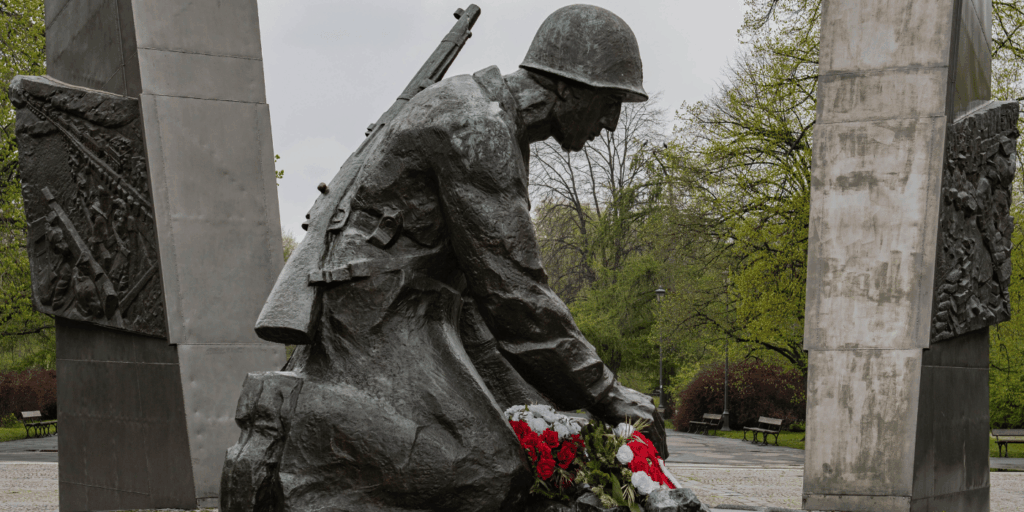
The war was over and there was no place in particular to go. Norman Bowker followed the tar road on its seven-mile loop around the lake, then he started all over again, driving slowly, feeling safe inside his father’s big Chevy, now and then looking out on the lake to watch the boats and water-skiers and scenery. – Tim O’Brien, The Things They Carried
I’ve written about the significance of remembering, but as Lois Lowry made clear in The Giver, this responsibility comes with an enormous weight. While Lowry magnificently captures this weight in a way that translates it to children (the film Sheep Detectives is a surprisingly poignant reflection on memory as well), Tim O’Brien’s depiction of Norman Bowker in The Things They Carried haunts me the most.
The apparently semi-autobiographical book details the lasting effects of war. In “Speaking of Courage,” Norman Bowker has physically left Vietnam, but he cannot assimilate back into his previous life. He has no one to speak to about the medals he won or the traumas he endured, so he finds himself driving in circles and holding imaginary conversations in lieu of speaking to his father or even a curious stranger.
Although he could physically walk away — unlike some of his friends and comrades — he shares the fate of many combat veterans who remain mentally plagued by the horrors they both witnessed and potentially contributed to.
As traumatic memory refuses to let go, one struggles to be “normal.” After a sexual assault, for example, a person might find themselves unable to enjoy any of their previous hobbies or find anything in common with their former friends. They physically appear in their lives, but it’s like they aren’t connecting to things.
People, like Norman Bowker, who survived a traumatic event that others didn’t might also be haunted by survivor’s guilt. Gratitude for living might be overridden by remorse, confusion, or even anger.
Norman Bowker’s fate is as tragic as it is painfully relatable for trauma survivors. He went through the motions of living, but it was like he was behind glass (or, perhaps, a bell jar). Ultimately, he fails to integrate with the world so completely that he ends up taking his life. Empathetic readers likely feel a sharp flood of pain as they wish he had had anyone to share his story with. But that’s the reality of trauma, and one of the reasons O’Brien chose to tell the stories of not just himself but those around him.
Trauma leaves people trapped in a past that they don’t know how to share. Many find solace in support groups, because it removes the isolation of their pain and helps it become something they can put into words and share with others. But for those who remain isolated, the weight of remembering can be crushing. Even for those who continue, many are not fully integrated into their own lives.
Does healing mean forgetting?
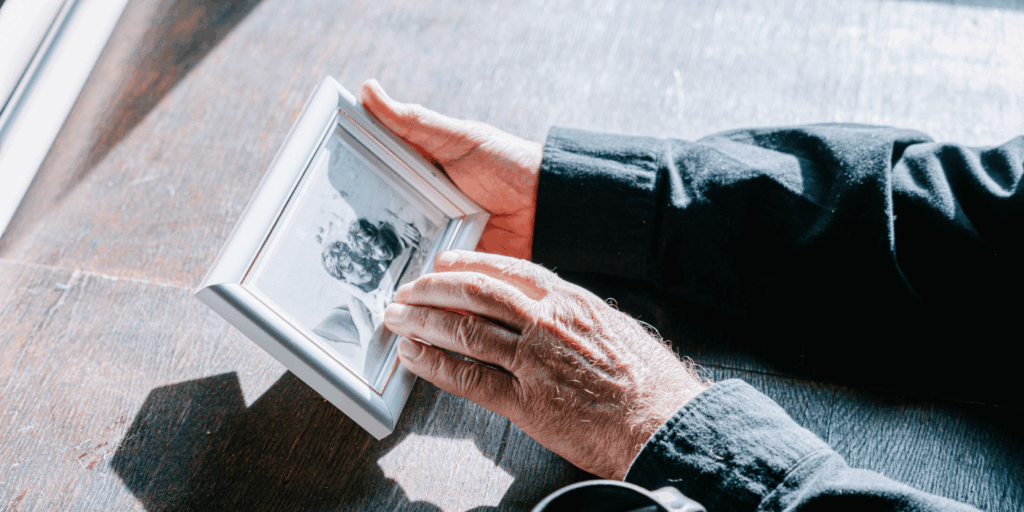
As long as you keep secrets and suppress information, you are fundamentally at war with yourself… The critical issue is allowing yourself to know what you know. That takes an enormous amount of courage. – Bessel van der Kolk, The Body Keeps the Score
If trauma is remembering without escape, then healing should be considered allowing the present to exist without being constantly pulled back into the past. It’s not about erasing the past or pretending it never happened. The goal is to acknowledge the past and find a way to integrate it into a satisfying life.
I’ve spent a lot of time trying to understand and improve my memory. One thing I’ve noticed is how I tend to view the past with rose-colored glasses. I downplay negative things that people have said or done and remind myself of their better traits. In practice, this sounds positive. But it takes reading through old journals for me to realize just how dark things have become. And it often leads to me putting myself in danger because I cannot reconcile the truth.
Remembering — and remembering accurately — is an act that truly requires tremendous courage. Many people, especially children, follow in my steps and try to soften the reality of what occurred. They come up with excuses, downplay events, or maybe even spin trauma into alternate stories to cope.
Facing trauma involves trusting yourself and anyone you might turn to for help, such as friends, family, or a mental health professional. You are trusting that you can survive the memories and that so can others. In doing so, you are reclaiming your power. You never have to accept what happened, but you do need to accept that it did happen without softening it or becoming lost in it. And yes, this is a lot easier said than done.
But consider how Holocaust survivors such as Viktor Frankl, Dr. Edith Eger, and Elie Wiesel have turned their inconceivable suffering into testimonies of endurance. They recounted their experiences and the experiences of those unable to do so in painful detail to ensure that what happened would not be forgotten. But they also offered hope, courage, and strength.
Healing didn’t involve remembering differently or forgetting. No one would reasonably ever ask them to forget the Holocaust or let go of what occurred. But they were all able to lead lives that enormously influenced others because they found a way to sit with the awful memories and still proceed with their lives.
If you find yourself desperate to move on but unable to escape your memories, it doesn’t mean you lack the mental fortitude of people like the ones above. (Though to be fair, most of us do.) It’s natural to be overwhelmed or have turned to coping mechanisms, especially if you’re a survivor of lifelong trauma.
The way we process memory is also linked to many factors, including culture and gender. For example, American men have traditionally been told not to dwell on things or discuss them, with this being viewed as a loss of masculinity or sign of weakness. On the other hand, many indigenous societies have historically placed a higher value on collective well-being and shared emotional processing.
The point I am trying to make is that it is possible to honor the past while still living a life and creating a future. Healing is accelerated when we find someone willing to listen, but it starts with putting our experiences into words. And if you are having difficulty doing so, there is hope.
How to come to terms with memory
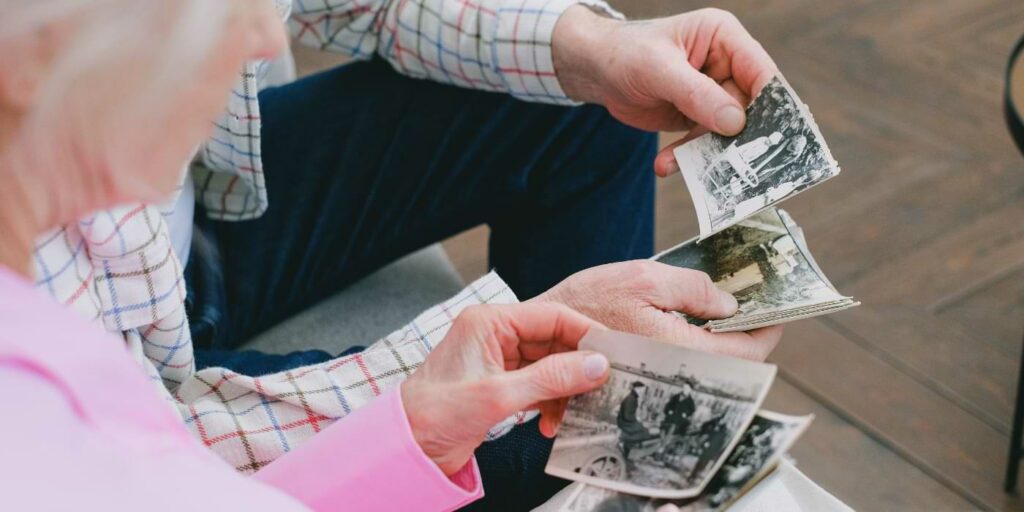
There is always the possibility to rebuild, but it requires strength. One way is to find meaning. As the founder of logotherapy, Frankl focused on how meaning can give one purpose after trauma. A traumatized person might not forget what they endured, but they can find a way to continue living.
His work is based around core concepts, including that people have the freedom to choose their reactions to situations even when all else has been stripped from them. Furthermore, he believed that every life has meaning, and finding one’s purpose can propel a person forward.
For some, that meaning is clear. They continue on for their parents, spouses, or children. Maybe they find meaning through their profession or their hobbies. Perhaps they get up every day simply to walk their dog. But even when that meaning is not apparent, Frankl believed it exists.
As Frankl wrote, “It did not matter what we expected from life, but rather what life expected from us.” Even when we feel destroyed, we still serve some purpose in the greater world. Our meaning can come from things as simple as offering a smile to someone who desperately needed it.
Ways to heal from trauma
For those who feel too overwhelmed by their past to visualize their purpose at the moment, there are other ways to come to terms with trauma. Here are a collection of ideas largely inspired by van der Kolk’s work.
- Acknowledge and process memories — Suppressing traumatic memories creates inner conflict. Healing starts with allowing yourself to know what you know, even when it’s painful. This is where courage comes in.
- Rebuild a sense of safety — Trauma survivors often feel unsafe in their own bodies and relationships. Establishing safe, supportive connections is crucial to recovery. For those without support systems, mental health professionals, online communities, and support groups might help.
- Befriend your body — Trauma is stored physically, not just mentally. Learning to tune into bodily sensations rather than numbing them helps in healing. Practices like yoga, mindfulness, and breath work can be very beneficial.
- Reprocess trauma through storytelling — Language helps us reshape memories and integrate them into a broader sense of self. Speaking about trauma in a safe space transforms the experience.
- Regain control over physiology — Trauma changes brain function. Learning to regulate bodily responses through grounding techniques, movement, and touch can help calm the nervous system. In turn, the past might stop feeling like the present and you can be present in your life.
- Understand that trauma is an imprint — Trauma isn’t just a past event; it rewires the way we think, feel, and perceive the world. Recognizing this pattern helps in reclaiming autonomy. You’re not broken; you just need to be rewired.
Trauma leaves many feeling fractured, but beneath trauma’s protective layers lies a core self that is whole and resilient. When we peel back our defensive walls and face the past, true healing can begin.
Closing thoughts on memory
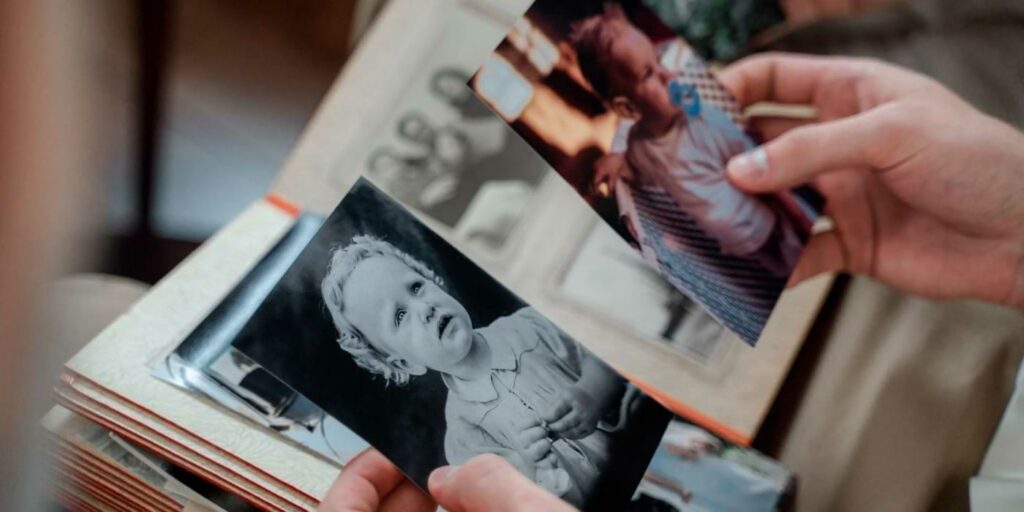
How happy is the blameless vestal’s lot! / The world forgetting, by the world forgot. / Eternal sunshine of the spotless mind! / Each pray’r accepted, and each wish resign’d; – Alexander Pope, “Eloisa to Abelard“
Forgetting is a luxury, but it’s also a curse. My grandmother lost her memory before she died. This is a terrible fate that I am desperate not to share. But I do acknowledge that it’s the only way I would ever be able to forget my past. At the same time, I have created a present in which I am able to exist. It might not be at full capacity at all times, but it’s enough to call it a life.
Reconciling with a terrible past is enormously difficult. That’s why it’s a task better done as a group. Even when it’s faced in groups of two, the past becomes easier to process. Unfortunately, we don’t all have the gift of trusted companions or the luxury of mental health help. Many people become overwhelmed by hearing of tragedies, leaving us feeling even more isolated.
But perhaps change can start with us. When someone is at rock bottom, we might not be able to pull them out of the hole they are in. And we aren’t obliged to abandon our lives and live there with them. But we can drop a ladder and climb down for a visit, sit there, and hold their hand. We can listen. When we don’t know what to say in response, we can let the person know they are not alone.
In order to both collectively rebuild on larger scales and heal as individuals, we have to both face our pasts and give people permission to recount what happened. Remembering is scary, overwhelming, confusing, and difficult. But it’s what we need to do in order to move on.
Continue Reading: Memory & The Fight to Remember
Title image of forget-me-nots provided by Suzy Hazelwood on Pexels.